Simple Ways Chefs Can Use Asparagus Across the Menu
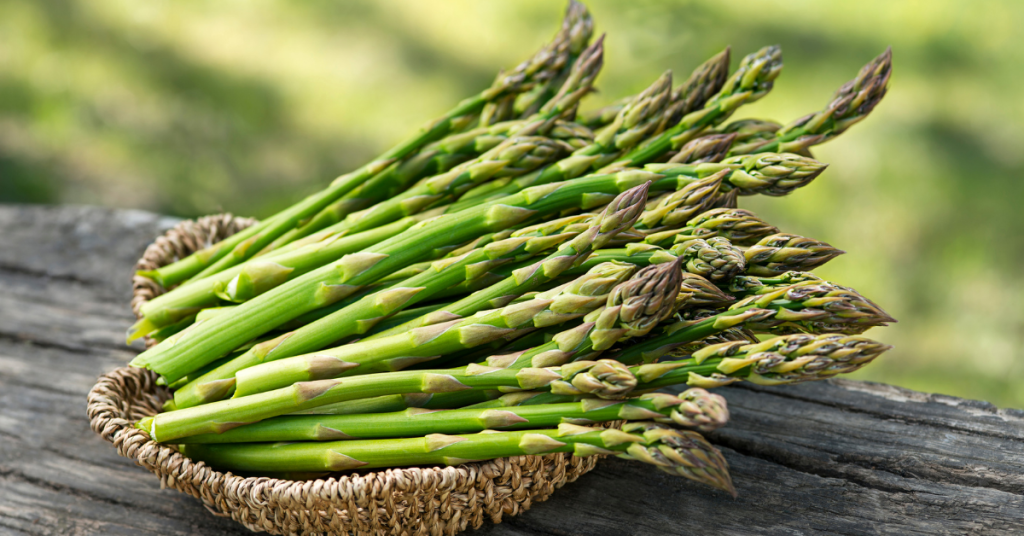
Asparagus is a simple but premium-feeling ingredient that can bring freshness, colour, and texture to foodservice menus. It works well across breakfast, lunch, dinner, sides, shared plates, salads, and seasonal specials.
For chefs and commercial kitchen teams, asparagus is useful because it cooks quickly, plates beautifully, and pairs well with a wide range of flavours. It can be grilled, roasted, steamed, blanched, shaved, or added to warm dishes without needing too much preparation.
1. Use asparagus in breakfast and brunch dishes
Asparagus can add a fresh and polished touch to breakfast and brunch menus.
It works well with eggs, mushrooms, tomato, avocado, smoked salmon, hollandaise, herbs, and sourdough. Grilled or blanched asparagus can be served beside poached eggs, folded into omelettes, or added to breakfast bowls.
For cafes, it is a practical way to make a simple breakfast plate feel more seasonal and refined.
2. Grill or roast it for sides
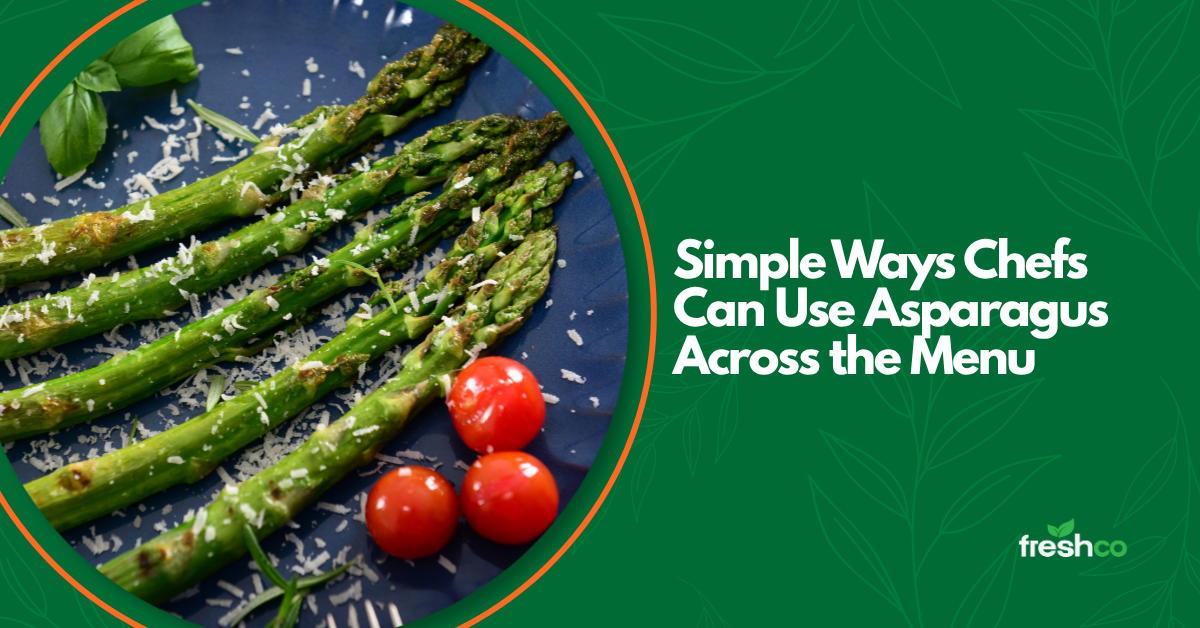
Grilled or roasted asparagus makes a strong side dish because it is easy to prepare and visually appealing.
It can be finished with lemon, olive oil, garlic, parmesan, chilli, herbs, toasted nuts, or soft cheese. The natural shape of asparagus also makes it easy to plate neatly, whether served on its own or as part of a vegetable side.
This works well for restaurants, pubs, hotels, and catering menus that need flexible vegetable sides.
3. Add it to salads and cold dishes
Asparagus can also be used in salads, especially when lightly blanched or shaved thinly.
It pairs well with leafy greens, citrus, grains, soft cheese, herbs, nuts, and light vinaigrettes. Thinly sliced raw asparagus can add crunch, while blanched asparagus gives a cleaner, more tender texture.
This makes it suitable for fresh plates, lunch menus, buffet items, and lighter seasonal dishes.
4. Use asparagus in pasta, risotto, and warm dishes
Asparagus can bring colour and freshness to cooked menu items.
It works well in pasta, risotto, gnocchi, grain bowls, warm salads, and vegetable-based mains. Because asparagus cooks quickly, it can be added near the end of cooking to help keep its colour and texture.
It pairs especially well with lemon, garlic, cream, butter, parmesan, ricotta, peas, mushrooms, herbs, chicken, seafood, and eggs.
5. Feature it in shared plates and specials
Asparagus can be a good ingredient for specials because it has strong visual appeal.
It can be served grilled with dressing, wrapped, roasted, added to antipasto-style plates, or paired with sauces and garnishes. Its clean shape and bright colour can help make shared plates feel fresh and considered.
For chefs, asparagus is a simple way to build seasonal interest into a dish without overcomplicating the menu.
6. Store and handle it carefully
Asparagus should be handled gently to keep the spears fresh and firm.
In a commercial kitchen, it is best to store asparagus cold and avoid crushing the tips. Check the stems before prep and use the freshest spears for visible plating, salads, and lighter dishes.
Good handling helps asparagus stay bright, crisp, and ready for service.
Freshco’s note
Asparagus is a practical ingredient for chefs because it can support many parts of the menu, from breakfast plates and salads to sides, warm dishes, and seasonal specials. With careful handling and simple preparation, it can help foodservice teams add freshness, colour, and flexibility to service.
Freshco supplies quality fruit and vegetables to restaurants, cafes, pubs, hotels, clubs, caterers, hospitals, aged care facilities, and commercial kitchens across Sydney.