How to Choose Tomatoes for Foodservice Kitchens
Tomatoes are one of the most useful ingredients in a foodservice kitchen. They can be used fresh, roasted, grilled, cooked into sauces, added to breakfast plates, served in salads, layered into sandwiches, or used as part of shared dishes.
For restaurants, cafes, pubs, hotels, caterers, hospitals, aged care facilities, and commercial kitchens, choosing the right tomatoes can help support menu quality, prep flow, and consistency during service.
1. Choose tomatoes based on how they will be used
Not every tomato needs to be used in the same way.
For salads, sandwiches, burgers, and fresh plates, tomatoes should look clean, bright, and firm enough to slice neatly. For sauces, soups, stews, and cooked dishes, slightly softer tomatoes may still be useful if they are handled properly and still suitable for kitchen use.
Matching tomato quality to the dish helps kitchens reduce waste while keeping presentation and flavour consistent.
2. Check firmness and skin condition
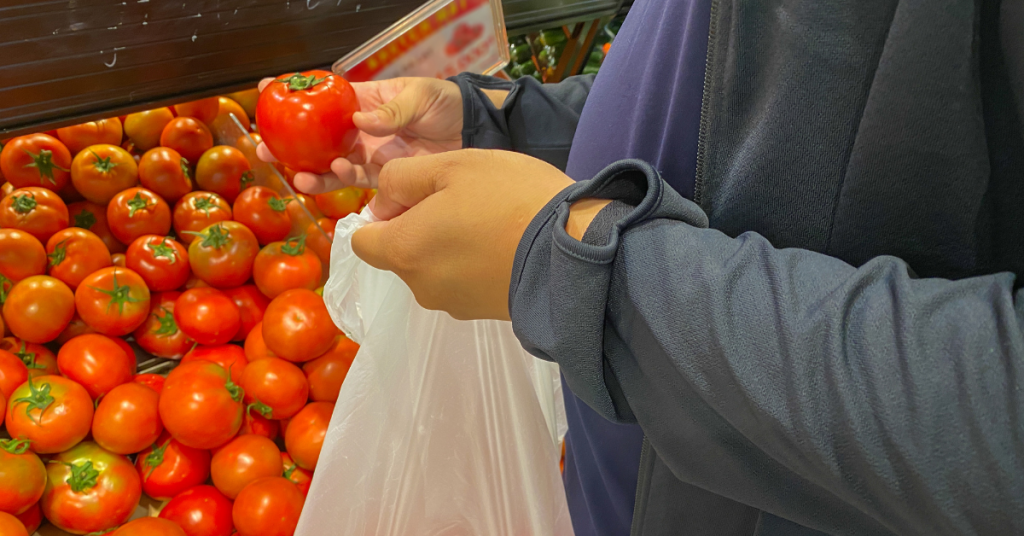
A good tomato should feel appropriate for its purpose.
Tomatoes used for slicing should feel firm but not hard. They should hold their shape when cut and should not feel overly soft or watery. The skin should be smooth, clean, and free from major bruising, splitting, or damaged areas.
If tomatoes are too soft for fresh plating, they may be better suited for cooked dishes, sauces, relishes, or roasted menu items.
3. Consider ripeness before service
Ripeness affects both flavour and handling.
Riper tomatoes usually offer better flavour and juiciness, but they can also be softer and more delicate. Firmer tomatoes may be easier to slice and store, but they may need more time before they reach their best flavour.
In a busy kitchen, it helps to separate tomatoes by ripeness so the team knows which ones should be used first.
4. Store tomatoes carefully
Tomatoes should be handled gently to avoid bruising and soft spots.
Avoid placing heavy produce on top of them, and keep them in a clean, organised area where they can be checked easily. If tomatoes are being stored for fresh use, make sure they are not crushed or overcrowded.
Good storage helps keep tomatoes looking fresh, firm, and ready for prep.
5. Use tomatoes across different menu sections
Tomatoes are useful because they can support many parts of the menu.
They can be used in:
- Breakfast plates with eggs, mushrooms, spinach, or avocado
- Sandwiches, wraps, burgers, and toasties
- Salads, grain bowls, and fresh sides
- Pasta sauces, soups, stews, and braised dishes
- Roasted vegetable plates and shared dishes
- Relishes, salsas, bruschetta, and toppings
This makes tomatoes a practical ingredient for kitchens that need produce to work across multiple dishes.
6. Rotate stock properly
Tomatoes should be checked regularly and rotated based on ripeness.
Use the ripest tomatoes first, especially if they are being used for cooked dishes or prep. Keep firmer tomatoes for later service where a cleaner slice or stronger structure is needed.
A simple rotation system can help reduce waste and make sure tomatoes are used while they are still at their best.
7. Communicate menu needs clearly
If tomatoes are important to a dish, it helps to be clear about how they will be used.
For example, tomatoes needed for burgers or sandwiches may require firmness and shape, while tomatoes for sauces may need stronger flavour and ripeness. Sharing these needs with your produce supplier can help support better ordering decisions.
Freshco’s note
Tomatoes are a flexible and practical ingredient for foodservice kitchens. With the right selection, handling, and stock rotation, they can support fresh dishes, cooked menu items, breakfast plates, sauces, and shared dishes across the menu.
Freshco supplies quality fruit and vegetables to restaurants, cafes, pubs, hotels, clubs, caterers, hospitals, aged care facilities, and commercial kitchens across Sydney.